
Creativity Isn’t Fluff. It Never Was.
I want to be clear about something before we begin: this is not a story about exceptionalism. It is, in fact, the opposite.
I am a portrait photographer and director whose work has appeared on the covers of leading publications including AFR Magazine, Forbes, Tatler, WIRED UK and Madame Figaro. But I never studied photography, and my first career was at PwC as a tax advisor in financial services. I tell you this not to impress, but to disrupt a myth I am on a mission to dismantle: the myth that creativity belongs to a special category of human being. The gifted. The chosen. The ones who were born that way. They were not. And neither was I.
What happened between PwC and the cover of a magazine was not natural born talent but a leap of faith. It was an act of seeing. A permission for the left and right brain to cross-pollinate, informing each other and making the other sharper.
We have long associated creativity with painting, music, designing. But creativity is not art, although they share the same space. Creativity is the act of seeing differently. AI cannot see, not with the curiosity built through a lived life, a beating heart, not with the empathy that reads what a person is not yet saying. The act of seeing remains ours. It is our human superpower in the age of AI. And how we see the world changes everything.
What It Means to See
Humans understand the world through five senses: sight, hearing, smell, taste, touch. We list sight as though it were simply a biological function. But to see is something far more profound than that.
Seeing is perception. The act of constructing meaning from the world, not merely receiving it. Consider the phrase we use every day without thinking: I see what you mean. We are not talking about optics. We are talking about comprehension, the sudden irreplaceable moment when something clicks. In the English language, sight and understanding are the same word. We have always known, somewhere underneath the spreadsheets, that to see is to know.
And this is precisely what AI cannot do. It can identify a face in a crowd, a pattern across ten million images. But it cannot walk into a room and sense the unspoken tension. It cannot look at a stranger and feel the weight of what they are carrying. Meaning is not in the image. Meaning is in the person doing the looking.
"We don’t see things as they are. We see them as we are."
- Anaïs Nin
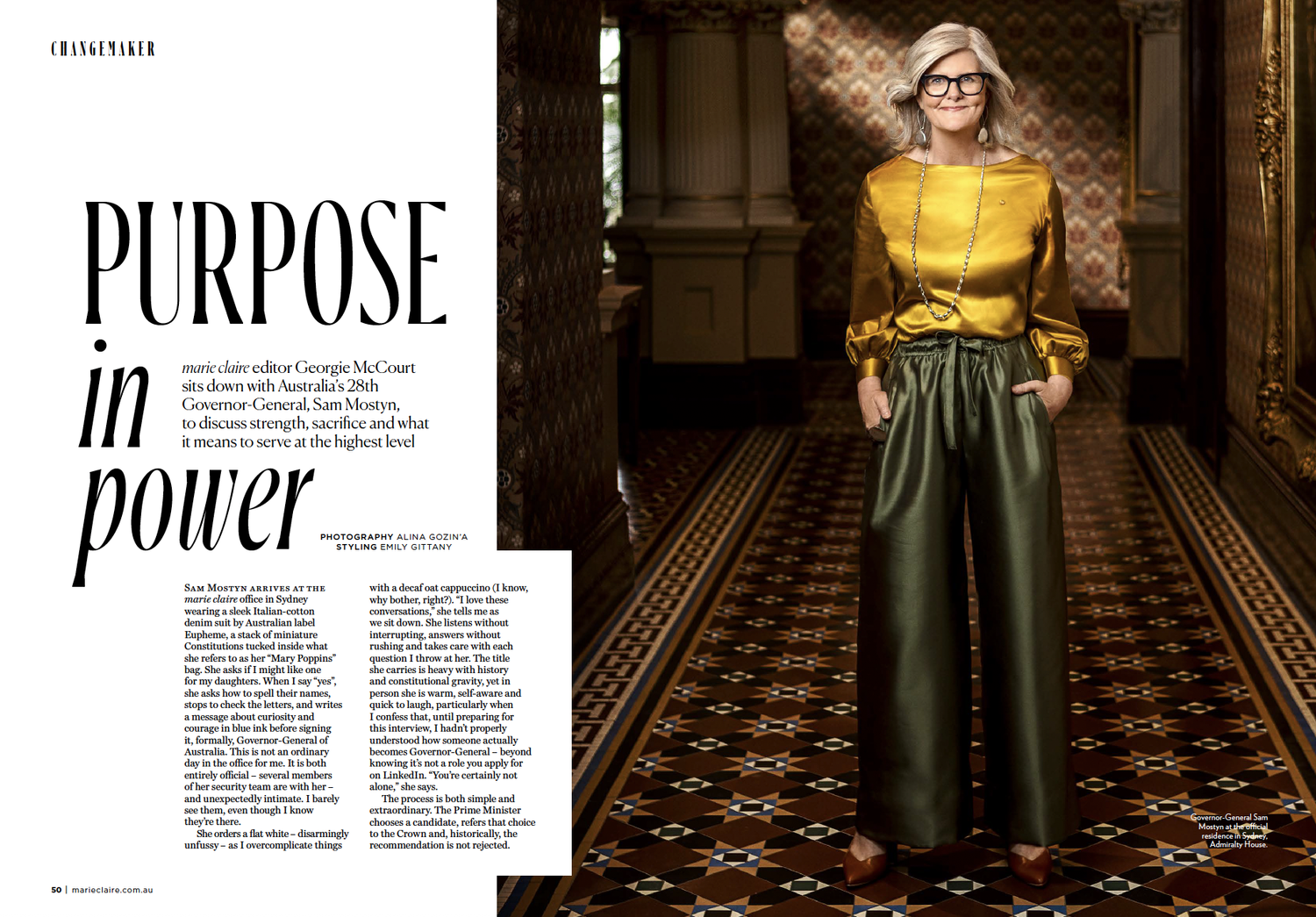
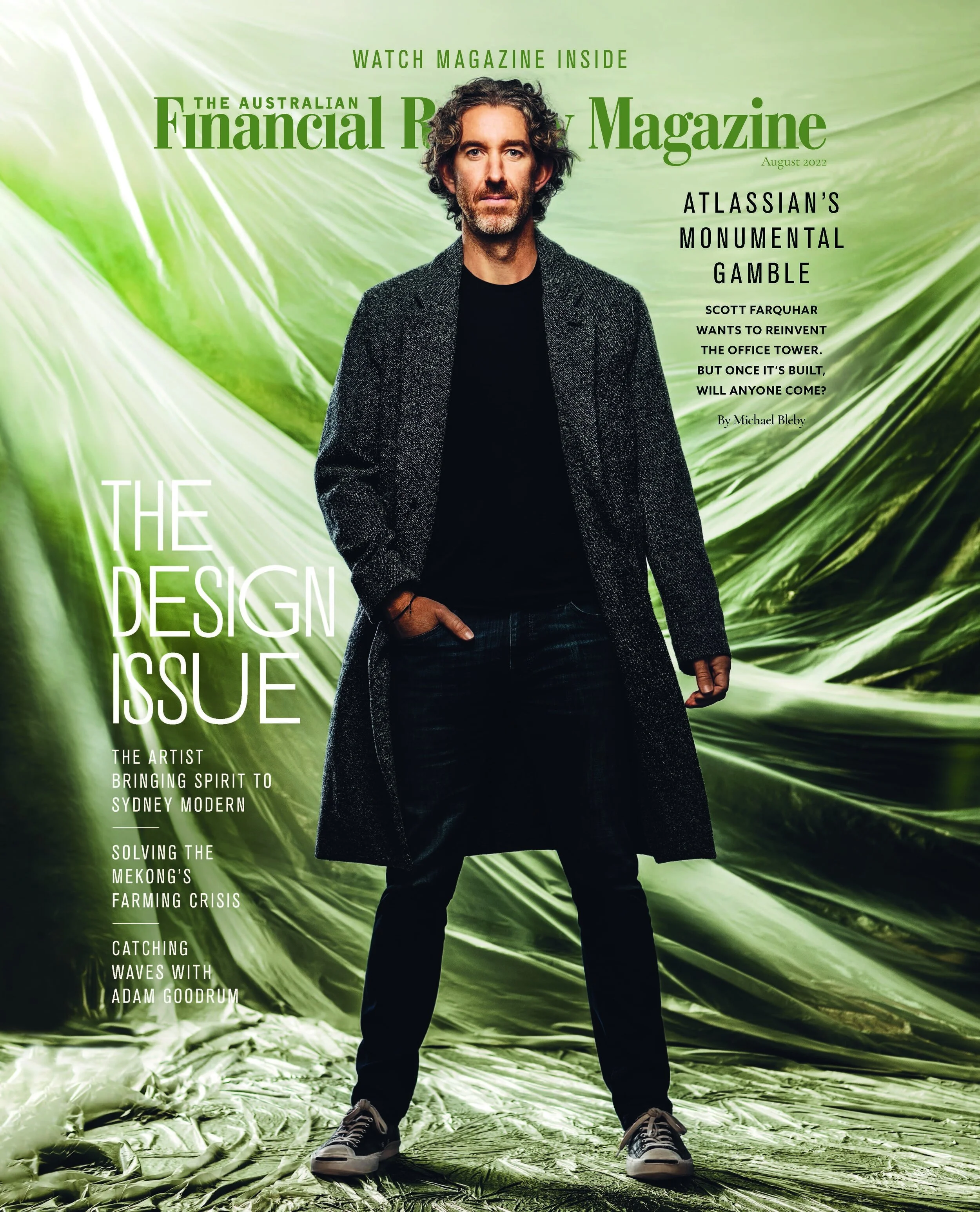
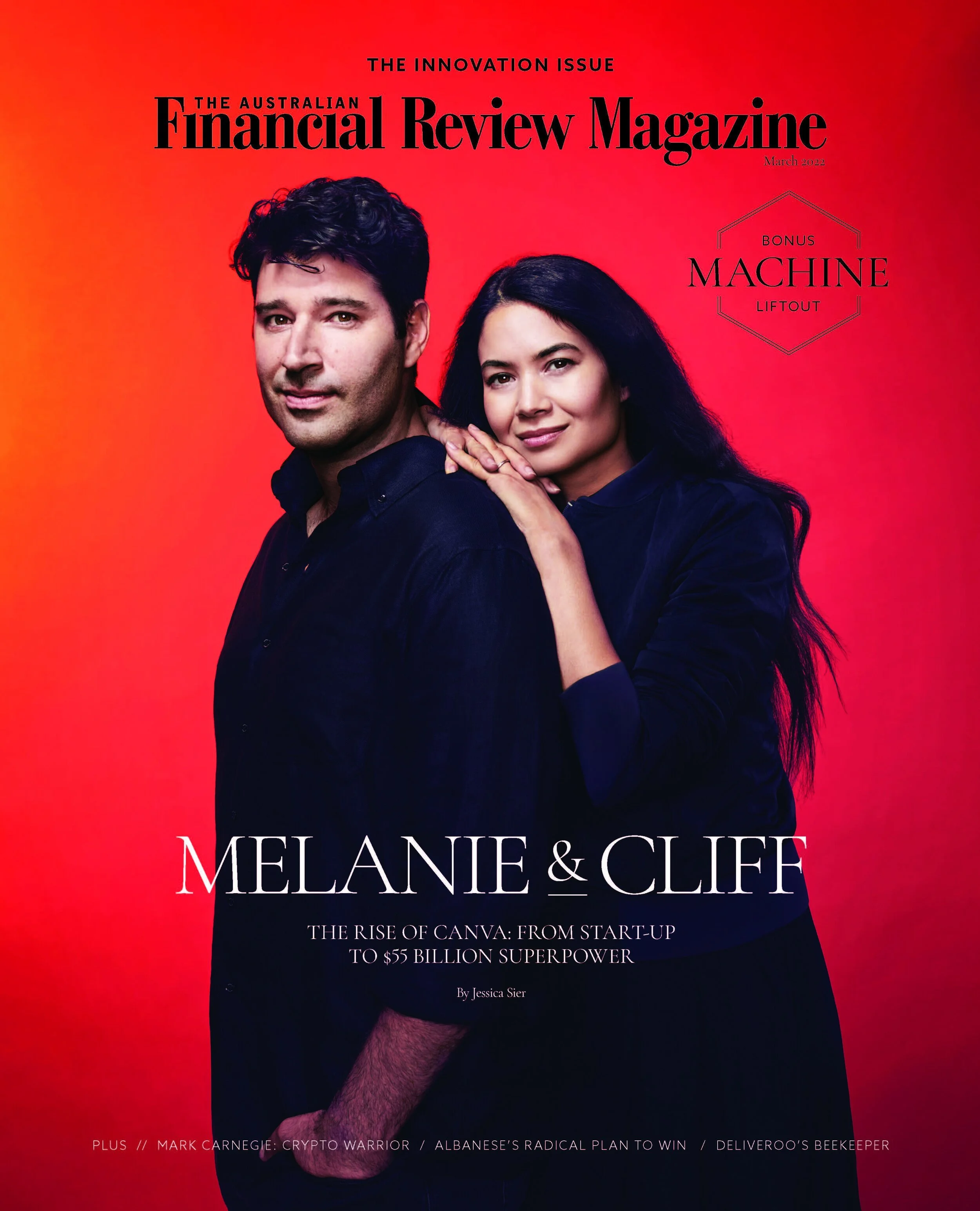
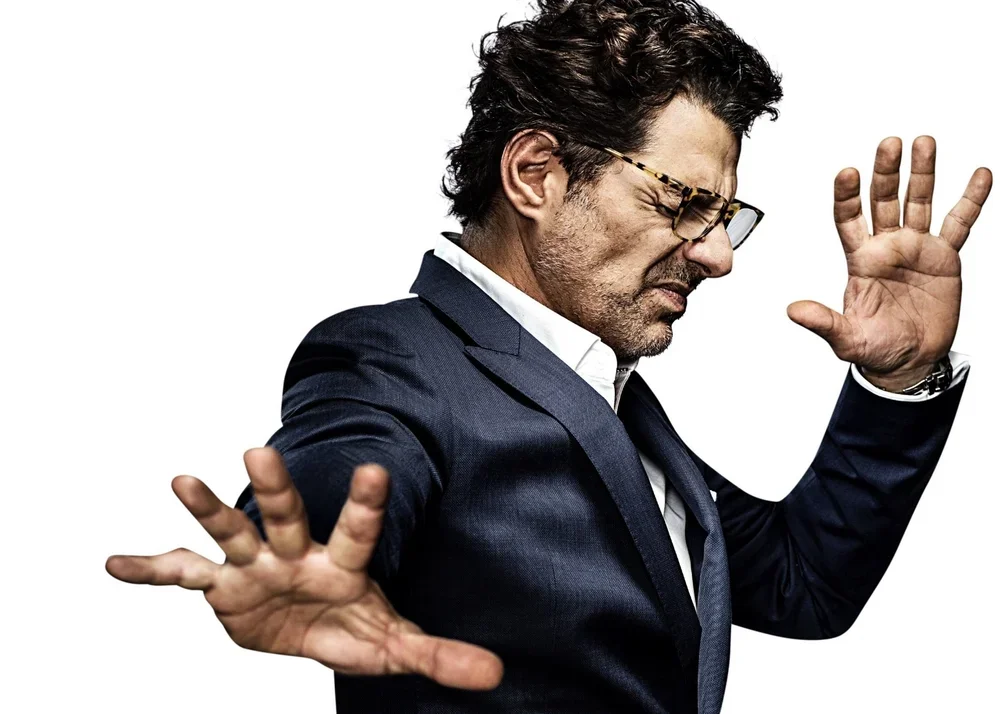
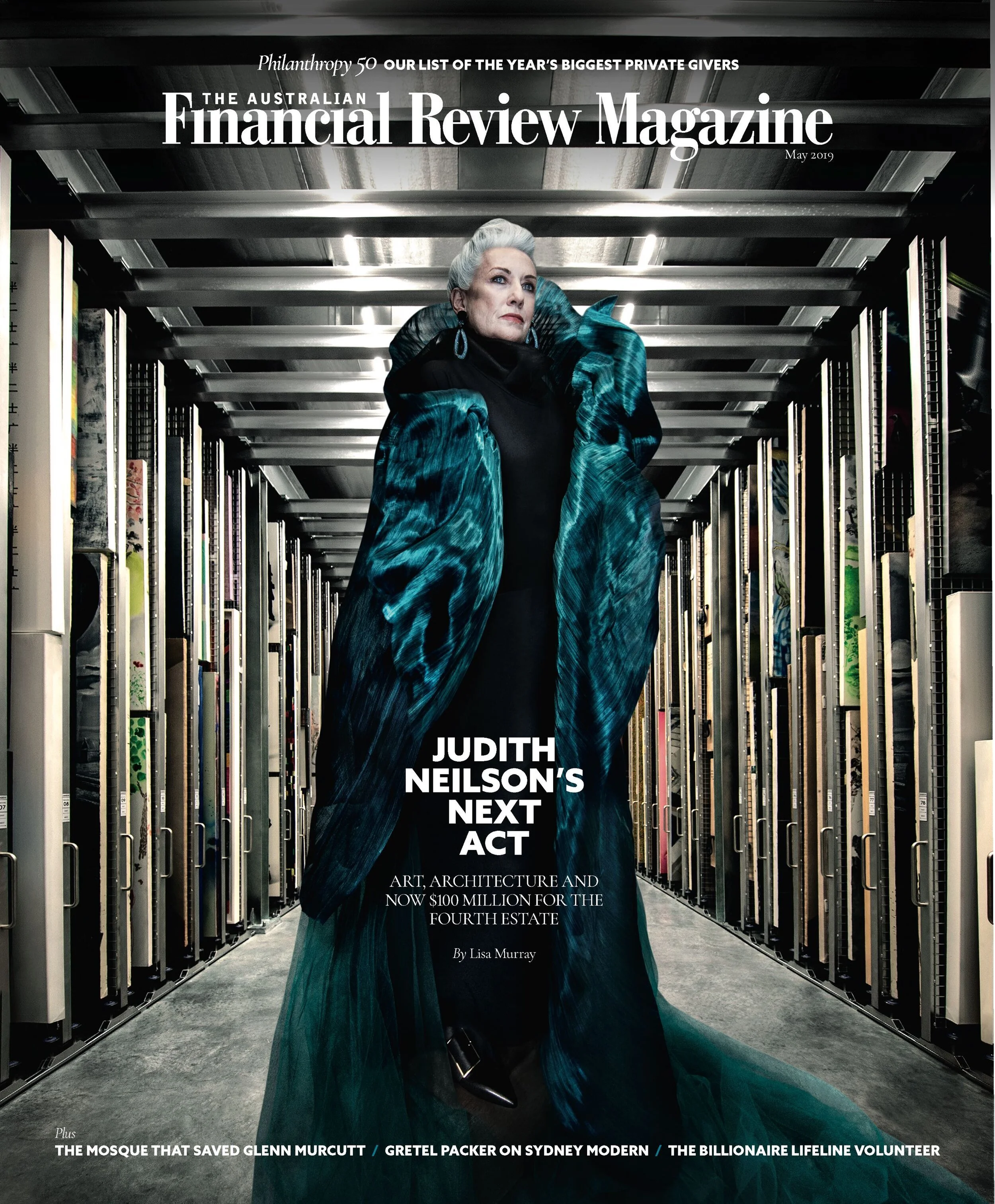
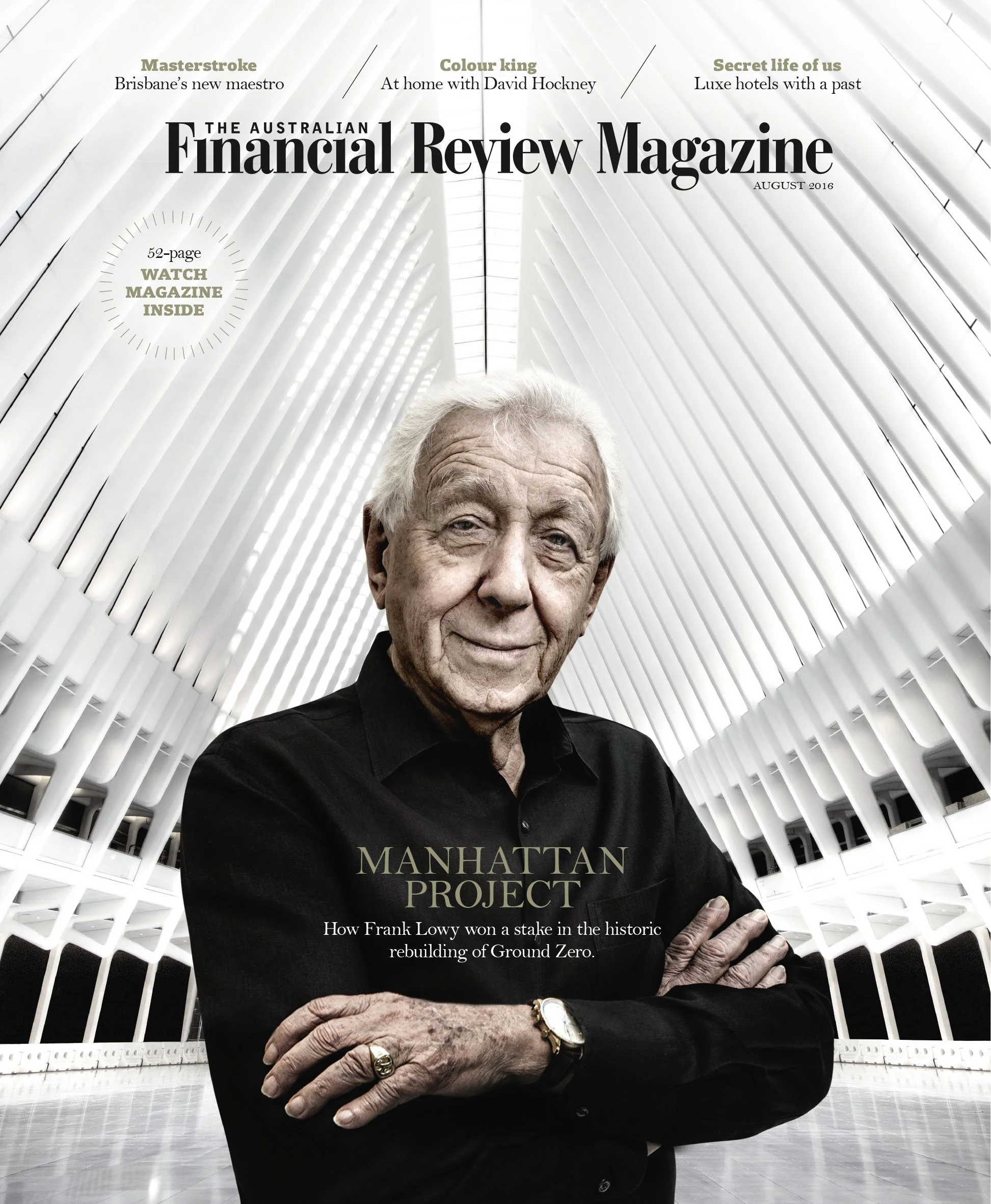
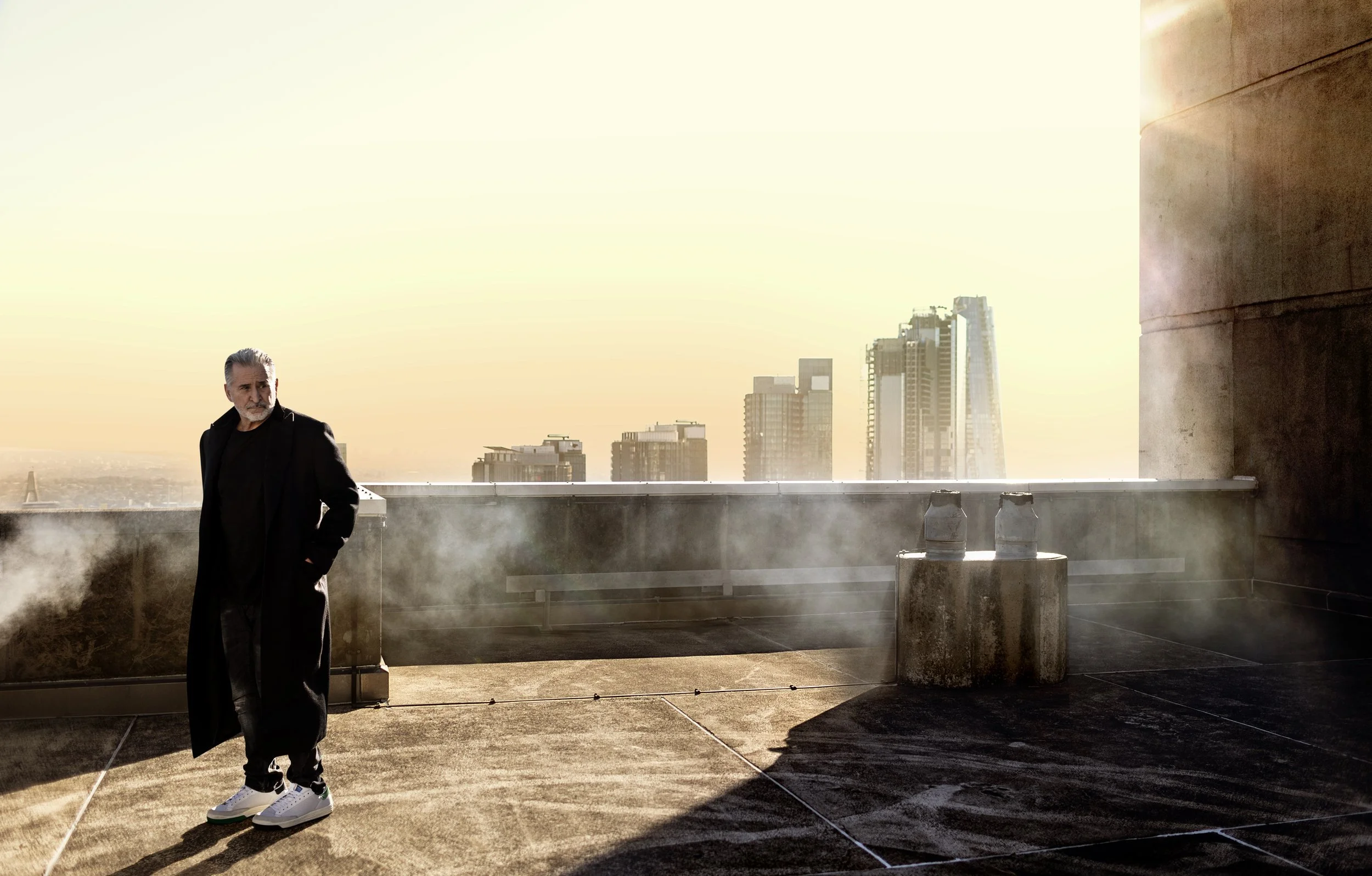
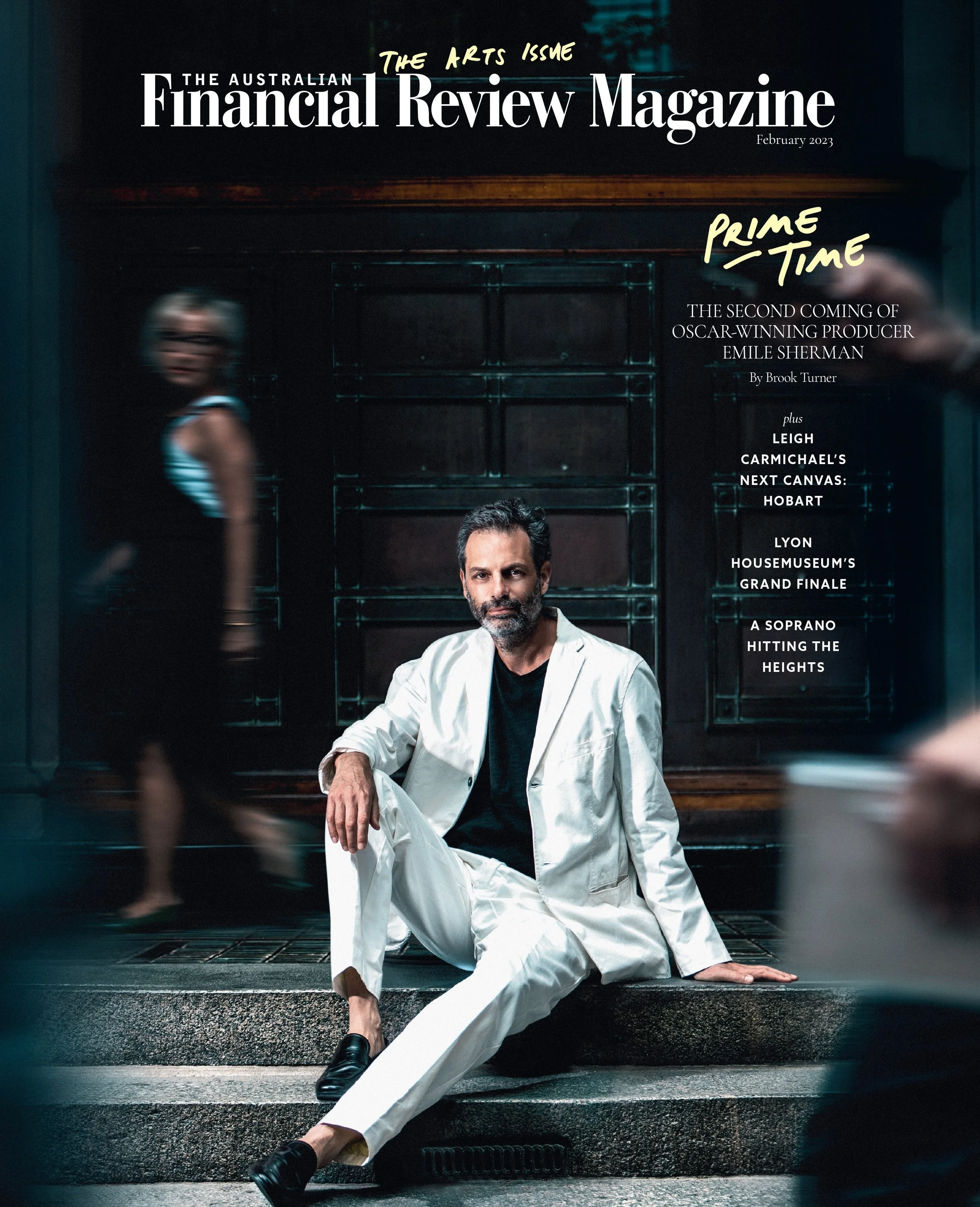
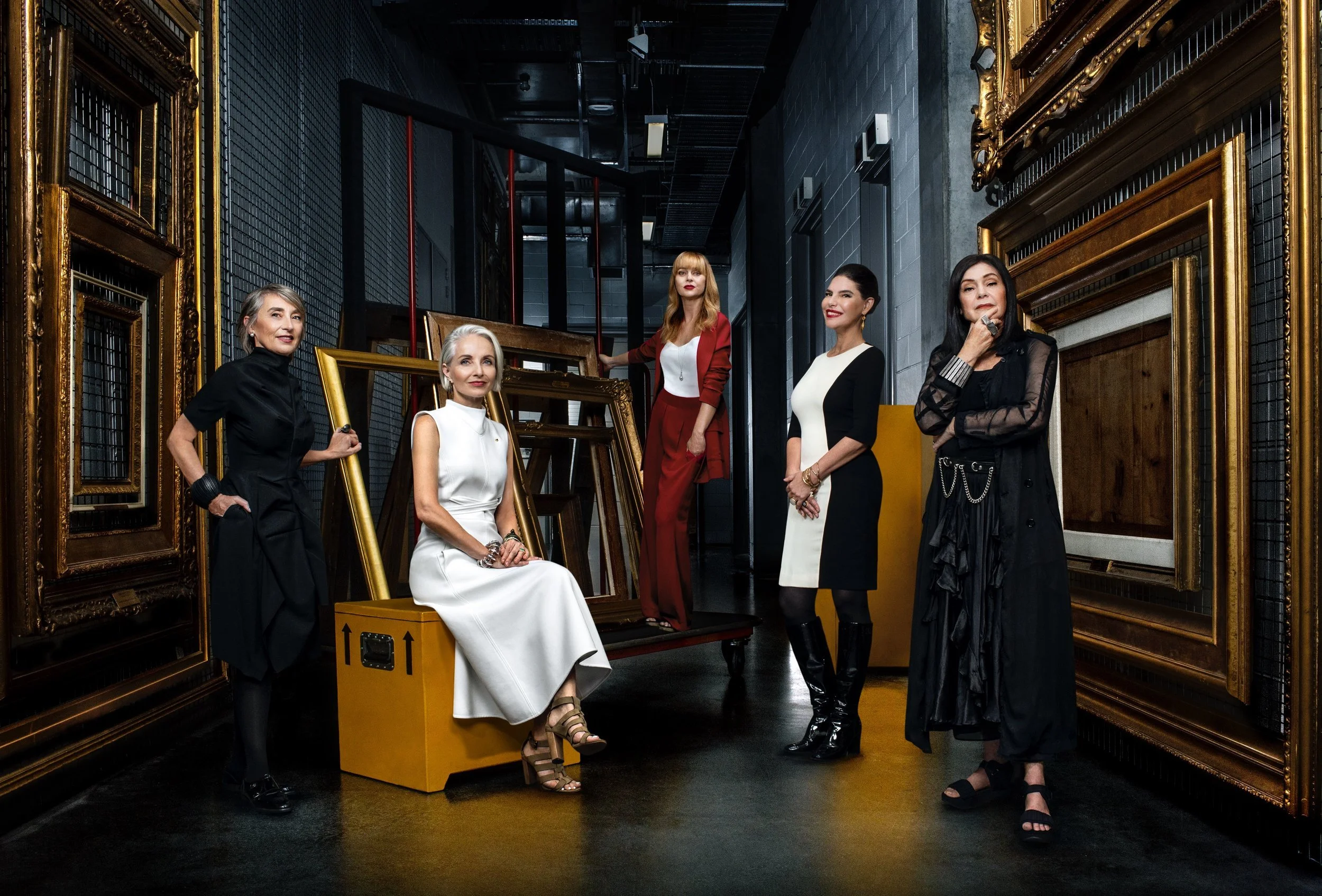
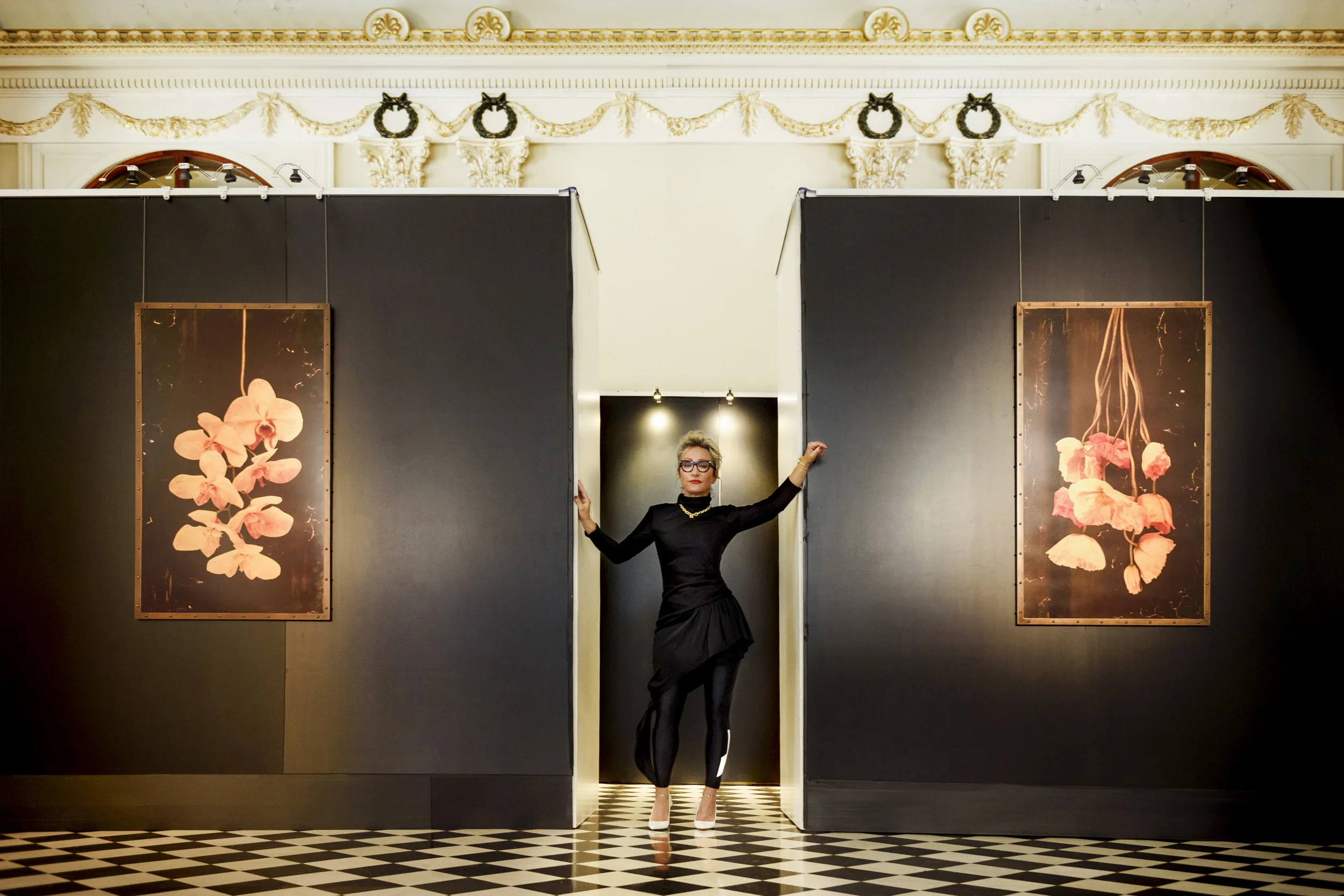
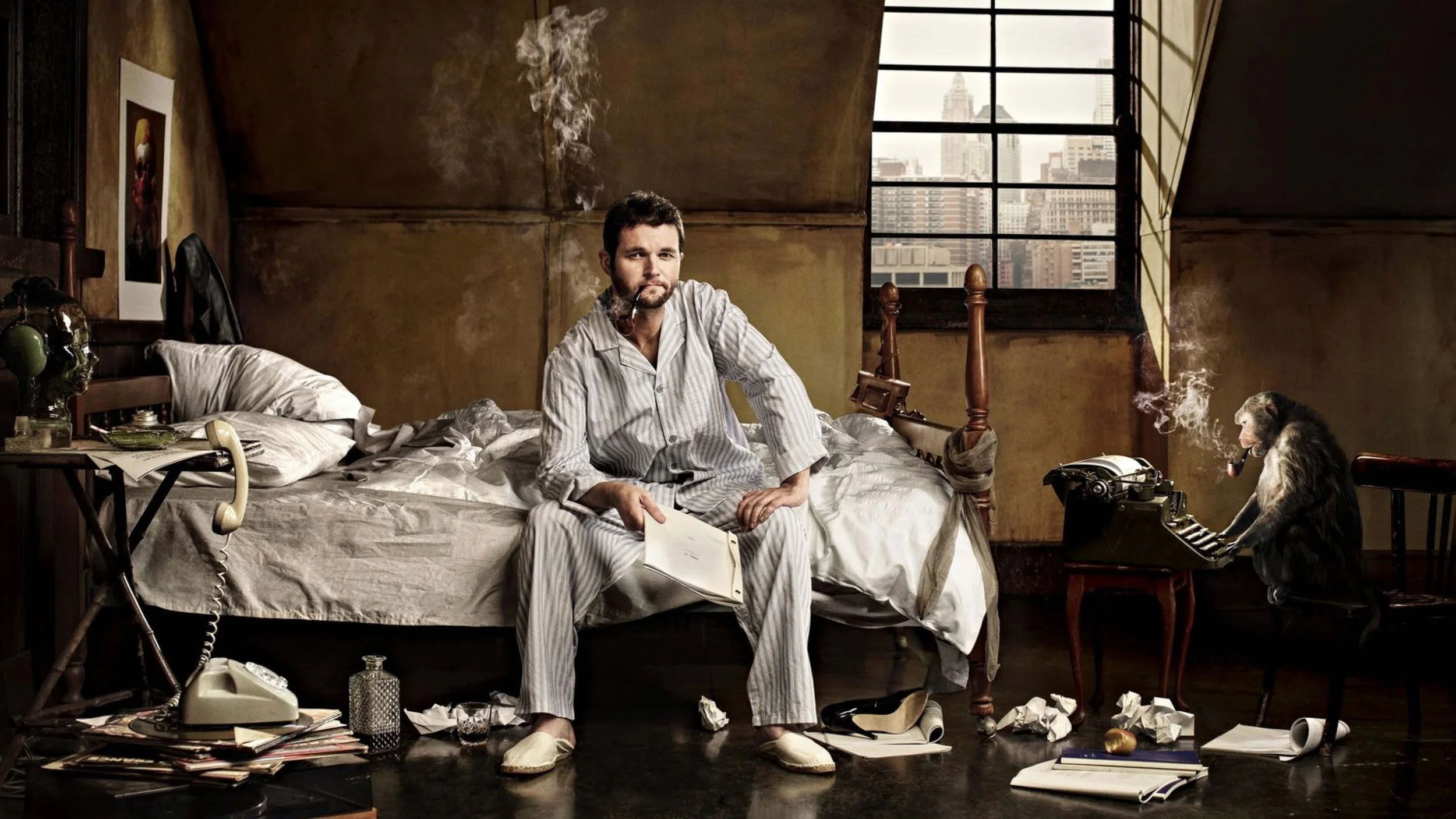
Photography by Alina Gozin’a
AI has no point of view built through a lived life. And that, I argue, is our greatest human advantage in the age of AI.
We Have Been Here Before
The Renaissance understood something we have forgotten. It produced Leonardo da Vinci, simultaneously painter, anatomist, engineer and philosopher, because it valued the whole brain and what we would now call Creative Intelligence: the deliberate cross-pollination of analytical and creative thinking. Art and science were not separate departments. They were expressions of the same human impulse: to see the world and, in seeing it, to transform it.
This was no accident. The Medici family, Florentine bankers who understood that cultural capital was convertible, deliberately invested in that cross-pollination. The result was an ecosystem of innovation: Gutenberg’s printing press, Galileo’s discoveries, the invention of linear perspective. Creativity was the precursor to all of it.
The pattern repeats across centuries. Thomas Jefferson was a Founding Father, the primary author of the Declaration of Independence, and the third President of the United States. He was also an architect, scientist, philosopher, linguist and horticulturalist, a man who believed the human capacity for development is virtually limitless. Walt Disney was a master animator, film producer, entertainment entrepreneur and theme park designer who called his method “Imagineering”: the seamless marriage of artistry and engineering. And will.i.am tops charts as a musician while simultaneously serving as a tech entrepreneur, AI investor and designer. All of them cross-pollinated. All of them saw differently. All of them changed their worlds.
Then came the Industrial Revolution. The factory floor demanded output and ROI. Creativity was reclassified as fluff. The ability to see, imagine and cross-pollinate moved into the shadows. This was not progress. It was a category error on a civilisational scale. And it is a hangover we are still living with today.
The Correction We Now Owe Ourselves
We are now in the Fourth Industrial Revolution, the AI era. And the most urgent item on the agenda is not another AI tool. It is correcting a two-hundred-year-old mistake about what human beings are actually for.
By taking over the routine and the repetitive, AI might be giving back to humanity what the Industrial Revolution took away: the time, the space and the permission to do what only humans can do: to see, to feel, to imagine, all an act of creating.
Accenture’s research found that only 8 percent of organisations currently use a whole-brain approach. The World Economic Forum ranks creativity and critical thinking among the most in-demand leadership skills of the coming decade. The most innovative organisations already understand why this matters. Apple nearly collapsed in the 1990s; Jobs saved it by returning creativity to the centre. LEGO nearly went bankrupt abandoning imagination; it recovered by restoring it. Canva, which I know well having photographed its co-founders, was built on the belief that visual intelligence belongs to everyone.
"Culture eats strategy for breakfast."
- Peter Drucker
The question is not whether creativity has ROI. The question is why we are still not investing in it.
What Photography Taught Me
What did I learn most behind a camera? Point of view.
Photography forces you to choose how to see and frame the world: what to include, what to leave out. That act of deliberate seeing and (re)framing, literally and metaphorically, trains the ability to shift perspective. And I took that skill into everything else I do, both in my creative practice and the corporate advisory work I do.
"If you change the way you look at things, the things you look at change."
- Dr. Dyer
The act of seeing is not a metaphor. It is a discipline. Creativity is not art reserved for the chosen few. It is the ability to see the old in a new light, through a different lens. We have neglected the act of seeing and creating for two hundred years. We cannot afford two hundred more.
I want to end where I started. If a former PwC tax advisor and untrained photographer is trusted to shoot the world’s most notable individuals, it is further proof that creativity - the act of seeing differently - is not a gift reserved for the few. If I can be creative, so can you. The question is: when will you start?
Alina Gozin’a
Alina Gozin’a is a transdisciplinary creative, AFR Magazine cover photographer, Cannes Lions YDA-nominated director and advisor on Creative Intelligence. Born in Odesa, she began her career as a tax advisor at PwC before crossing into the creative world, left brain and right brain, cross-pollinating ever since. She has worked across Amsterdam, Hamburg, Los Angeles, New York and Sydney, becoming one of Australia’s most notable photographers. She is also an exhibiting artist represented by Wentworth Galleries and an Industry Advisory Board member at UTS TD School (Faculty of Creative Intelligence & Innovation).